Explore the Rich Past: A Guide to the History Fort Lauderdale Museum Attraction
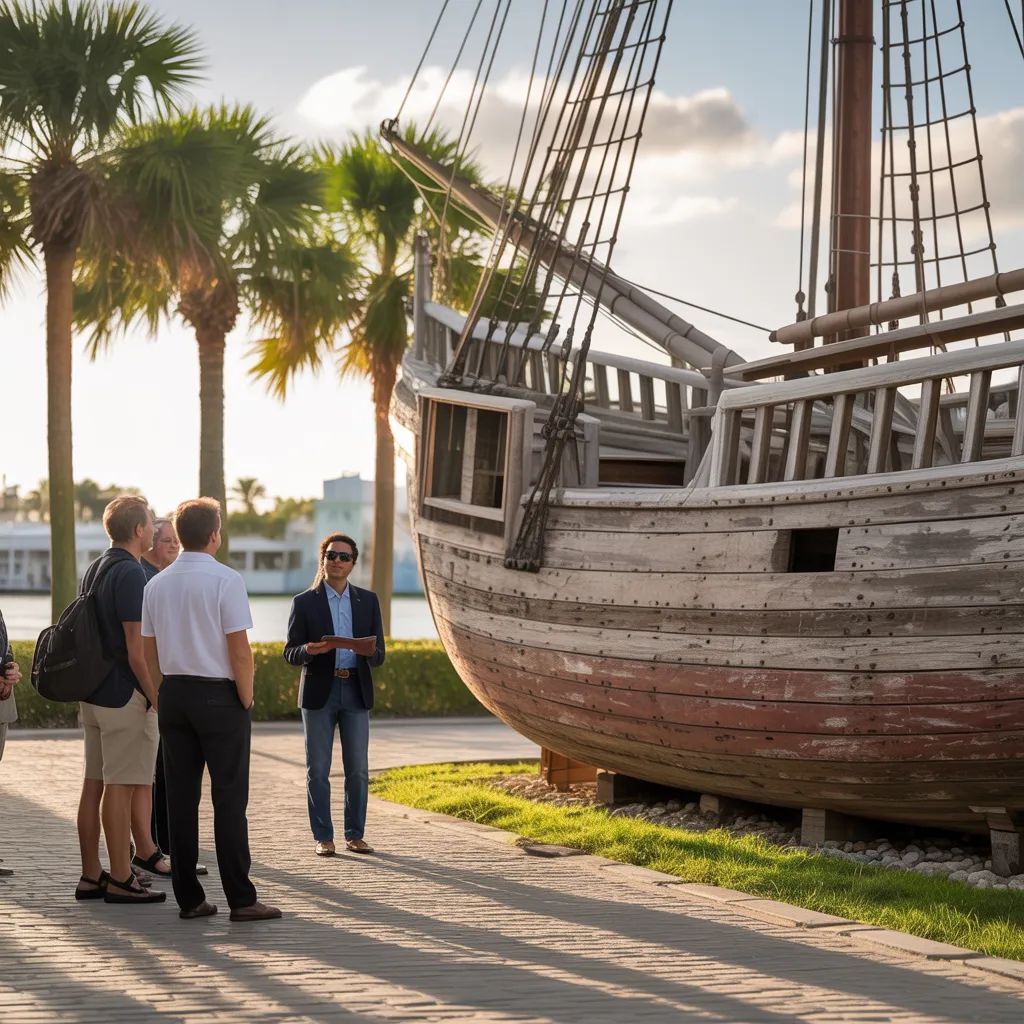
The Fort Lauderdale Museum provides a fascinating view into the city's historic journey. Visitors can encounter a range of artifacts that demonstrate the evolution from a armed outpost to a flourishing community. Each exhibit showcases unique stories of the area's artistic heritage. As visitors navigate the museum, they will discover engaging experiences that encourage deeper investigation. What awaits within these halls might alter one's viewpoint on Fort Lauderdale's extensive history.
The Beginnings of Fort Lauderdale
Despite being associated with its vibrant beaches and nightlife, Fort Lauderdale's origins are rooted in a deliberate military history. Established during the Second Seminole War in the 1830s, the area was initially a series of forts constructed to protect settlers and soldiers from Native American attacks. These forts, named after Lieutenant Colonel William Lauderdale, laid the groundwork for future development.
The region remained relatively undeveloped until the early 20th century when the arrival of the railroad transformed it into a flourishing community. As the population increased, Fort Lauderdale began to evolve, drawing in tourists and new residents. The city's strategic position along the Atlantic coast further cemented its importance as a maritime hub. By the mid-1900s, Fort Lauderdale began to gain recognition as a vacation destination, gradually altering its identity from a military outpost to a lively coastal city. This change signified the start of a new era for Fort Lauderdale.
Must-See Showcases to Visit
The Fort Lauderdale Museum offers an enchanting collection of key exhibits that showcase the region's rich history and culture. Visitors can discover iconic local artifacts, explore historical timeline displays, and appreciate cultural heritage exhibitions that reflect the area's diverse background. Each exhibit gives a distinct lens through which to comprehend the evolution of Fort Lauderdale.
Iconic Community Pieces
Numerous iconic local artifacts await examination at the Fort Lauderdale Museum, each presenting a distinctive view into the region's deep history and cultural heritage. Among the highlights is a collection of indigenous tools and pottery, displaying the craftsmanship of the area's early inhabitants. Additionally, vintage photographs depict the transformation of Fort Lauderdale from a sleepy settlement to a bustling city. Among the maritime artifacts, shipwreck relics and fishing gear reflect the city’s profound bond with the water. The exhibited historic documents and History Fort Lauderdale weather personal letters offer insight into the lives of influential individuals who shaped the community. These artifacts together form a vivid tapestry of Fort Lauderdale’s history, welcoming visitors to connect with its storied past.
Historical Sequence Shows|Chronological Historical Shows
At the Fort Lauderdale Museum, timeline displays provide an engaging journey through the city's development. These exhibits meticulously record important milestones that show Fort Lauderdale’s evolution from a small settlement to a busy urban area. Visitors can discover key events like the founding of the first post office and the development of the local economy. The displays feature educational panels, photographs, and artifacts that offer context and depth to the historical narrative. By connecting past and present, these timelines not only teach but also invite reflection on the city's rich heritage. Each segment allows guests the opportunity to acknowledge the diverse influences that have formed Fort Lauderdale, making it a essential destination for history lovers and general visitors alike.
Historical Legacy Exhibits
Cultural heritage exhibitions at the Fort Lauderdale Museum deliver a engaging view into the diverse traditions and customs that characterize the community. These exhibits showcase artifacts, artworks, and narratives from multiple cultural backgrounds, conveying the rich tapestry of Fort Lauderdale's history. Visitors can explore installations that highlight the influence of Indigenous peoples, the impact of European settlers, and the contributions of Caribbean and Latin American communities. Interactive displays stimulate engagement, making history understandable and relatable. Special events often accompany these exhibitions, featuring traditional music, dance performances, and culinary experiences. Through these cultural showcases, the museum promotes a deeper grasp of the area's heritage, promoting appreciation and respect for the myriad cultures that coexist within Fort Lauderdale today.
Dynamic Events Designed for All Ages
While exploring the Fort Lauderdale Museum, people of every age group can engage in a variety of engaging activities designed to ignite wonder and foster learning. The museum offers interactive displays that allow visitors to explore the region's history through engaging experiences. For children, there are storytelling corners and interactive displays that encourage creative engagement while teaching about local culture.
Young people and adults can appreciate digital-based exhibits that utilize augmented reality to vivify historical moments. These experiences not only improve comprehension but also encourage users to reflect upon the past in an relatable way. Additionally, guided tours often incorporate engaging components, where attendees can engage in conversations, inquire, and offer perspectives. This dedication to participation guarantees that every visitor departs with a deeper appreciation for Fort Lauderdale's historical heritage, establishing the museum a dynamic educational center for the entire community.
Special Occasions and Programs that are Special|Distinctive Events and Curricula
The Fort Lauderdale Museum strengthens its range of attractions with a rich assortment of special events and programs that accommodate diverse audiences and age categories. Throughout the year, the museum organizes specialized exhibits, educational workshops, and lectures introducing renowned historians and experts. These activities inspire audience involvement and develop a deeper understanding of the local area's history.
Young visitors are drawn in by family-friendly events like storytelling sessions and creative craft sessions that furnish interactive learning opportunities. Heritage festivals and other seasonal commemorations permit participants to experience local culture through music, dance, and traditional cuisine.
Furthermore, the museum provides premium instructional walks and evening activities for those pursuing a fresh perspective on the exhibits. These programs not only boost the museum journey but also foster connections within the community, making the Fort Lauderdale Museum a lively hub for cultural enrichment and historical exploration.
Scheduling Your Trip
When planning a excursion to the Fort Lauderdale Museum, guests should consider several important factors to guarantee an pleasant experience. First, checking the museum's opening times is crucial, as they may differ throughout the week and during holidays. It is recommended to purchase tickets in advance, especially for unique occasions or tours with guides that may have restricted availability.
Guests should also become acquainted with the museum's arrangement and collections, which can boost their time by making efficient navigation. Packing essentials such as water, good shoes, and protective sunscreen is advisable, particularly for those exploring open-air spaces.
Additionally, visitors may wish to examine any current classes or seminars that align with their preferences, guaranteeing they don't miss special events. Ultimately, considering transportation choices or parking availability can streamline the arrival process, making for a seamless beginning to the museum adventure.
Nearby Places to Enrich Your Stay
Guests exploring the Fort Lauderdale Museum can deepen their appreciation by visiting multiple nearby attractions. The Historic Stranahan House gives a view into the city's heritage, while the Riverwalk Arts & Entertainment district offers dynamic artistic pursuits. Furthermore, the Bonnet House Museum exhibits stunning architecture and abundant gardens, making it an perfect addition to a day devoted to art and history.
Historic Stranahan House
Situated in close closeness to the lively Fort Lauderdale Museum Experience, the Historic Stranahan House offers a glimpse into the area's deep history. As the oldest surviving structure in Broward County, this house, built in 1901, was the residence of Frank and Ivy Stranahan, pioneering pioneers who had pivotal roles in the community's growth. Visitors can explore the beautifully preserved rooms, which display genuine furnishings and artifacts that reflect life in the early 20th century. Led tours deliver fascinating insights into the Stranahans' contributions to Fort Lauderdale's growth. The scenic surroundings along the New River improve the experience, making it a ideal complement to the nearby museum, enriching one's understanding of Fort Lauderdale's historical narrative.
Riverwalk Arts & Entertainment highlights cultural experiences
What is the best way to genuinely enjoy the exciting culture of Fort Lauderdale without exploring the Riverwalk Arts & Entertainment district? This lively area showcases an selection of creative displays, from galleries featuring local artists to performance spaces hosting live music and theater. Visitors have the opportunity to walk along the attractive waterfront, enjoying the amazing scenery and taking part in outdoor events that emphasize the city's lively creative scene. At the Riverwalk, visitors can find dining choices that reflect the diverse culinary landscape of the region. Nearby cultural institutions such as the Broward Center for the Performing Arts and the Museum of Discovery and Science make the Riverwalk an ideal hub for those wishing to delve in Fort Lauderdale's rich artistic and entertainment offerings.
Bonnet House Museum operates as an important heritage site displaying wonderful architecture and artistic collections.
The Riverwalk Arts & Entertainment district functions as an outstanding starting point for exploring the abundant cultural attractions of Fort Lauderdale, and just a short distance away lies the Bonnet House Museum. This heritage estate, situated on a verdant, tropical beachfront, represents the artistry and spirit of its original owners, Frederic and Evelyn Bartlett. Visitors can explore the meticulously maintained home and its eclectic art collection, which demonstrates a fusion of European and Caribbean influences. The surrounding gardens, featuring native flora and a variety of wildlife, offer a serene escape into nature. Guided tours offer insights into the estate's history and architecture, rendering it an perfect addition to the vibrant cultural scene in Fort Lauderdale.
Common Inquiries
What Hours Does the Museum Operate?
The museum operates from 10 AM to 5 PM, Tuesday through Saturday, and remains closed on Sundays and Mondays. These time slots give ample opportunity for patrons to browse the collections and gain knowledge of the local history.
Do You Need to Pay an Admission Fee to Enter the Museum?
The museum levies an entrance charge for visitors. This fee supports the maintenance and operation of the institution, supporting learning initiatives and maintaining the exhibits that showcase the cultural heritage of the area.
Can guests participate in organized tours?
Yes, curated tours are accessible for patrons. These tours deliver an thorough review of the museum's exhibits and history, enriching the overall experience by supplying insights that self-guided visits may not offer.
Can I bring food and beverages Into the Museum?
Attendees are usually not permitted from bringing food or drinks into the museum. It is prudent to check the museum's exact guidelines for any deviations or designated areas where refreshments might be allowed during their stay.
Does the Museum provide accessibility for Wheelchair Users?
The museum is accessible for individuals using wheelchairs, featuring ramps, reserved parking, and elevators. Staff members are available to help with any extra needs, ensuring a pleasant and welcoming experience for all visitors.